
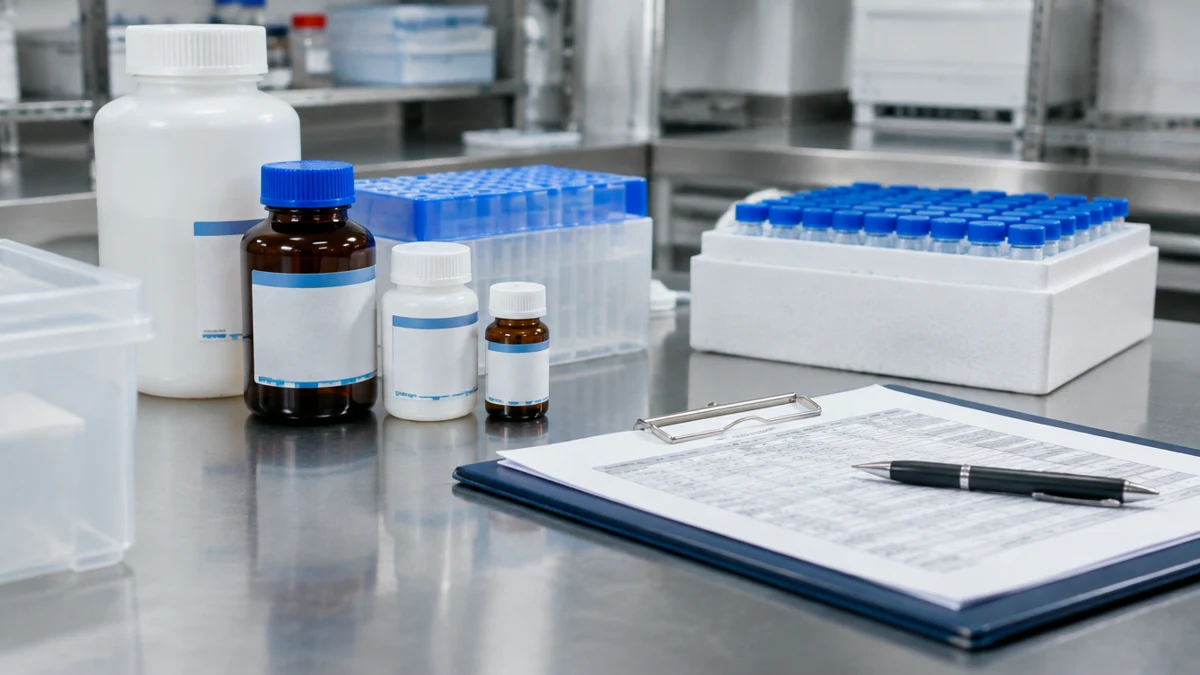
Featured image: AI-generated editorial illustration created through Higgsfield; not a photograph of Colossus facilities or testing.
“Research use only” describes a stated restriction. It is not a substitute for examining what a product is, how it is presented and how it will actually be supplied and used. A useful research purchasing process connects an order to a genuine project and its requirements.
Separate the research question from the transaction
A laboratory may need a substance for a defined nonclinical method. The purchasing record should identify that material, the research setting and the reason the quantity is appropriate. A product nickname or a checked box does not supply those details.
The site’s research-use disclaimer states its restrictions. The research access page is the relevant destination for access questions. An educational article does not replace either document or expand the activities they permit.
Recognize when a different pathway is involved
Human clinical investigation, patient treatment and pharmaceutical manufacture are different activities from routine nonclinical laboratory supply. A research purchase should not be treated as authorization for any of them. Their requirements need a separate assessment based on the actual activity and parties involved.
For covered nonclinical investigational drugs, 21 CFR 312.160 includes conditions concerning labeling, diligence about the consignee and actual research use, and shipment records. Whether that provision applies to a particular transaction is a classification question, not something established by a generic RUO label.
Ask questions that document actual use
| Question | Why it matters |
|---|---|
| What material does the method require? | Connects the purchase to an identified experimental purpose. |
| Where will the work occur? | Clarifies the research setting and responsible organization. |
| Why this quantity? | Tests consistency with the stated project. |
| Does the request involve administration? | Identifies a potentially different legal and quality pathway. |
Keep promotional context in the review
FDA warning letters to research-peptide sellers illustrate that the overall presentation matters, including human-use claims surrounding a product. Adding a disclaimer to a page does not erase conflicting statements elsewhere in the purchasing experience.
For a practical review, read the category name, product description, linked educational material and support response together. Record contradictions and resolve them directly. Do not coach a purchaser to describe personal use as research. The research-use reference page summarizes the distinction without providing a personal-use protocol.
Sources and scope
- 21 CFR 312.160: drugs for investigational use in laboratory research animals or in vitro tests
- FDA warning letter: Gram Peptides, March 31, 2026
Source review: October 28, 2026. Educational material for qualified laboratory research; not for human or veterinary use. Examples are illustrative calculations or records, not Colossus lot results. Product-specific instructions and original reports control.

Leave a Reply